Read Time: 15 minutes
TLDR: Yay! Figured out how to make a table of contents…see below ^^
- Accommodations
- Transportation
- Food
- WIFI/SIM Cards and Money
- Safety
- Random Extra Stuff (but good and fun).
Background
Dear Readers,
Hello! This post is being written from the sky on route to India from Sri Lanka. I think I heavily lucked out in my placement on the plane. I have two wonderful ladies as my seatmates and a cute little baby ahead of me…nice and fast asleep.
I’ve never written a guide to a country before, but my friend Suds (a local Sri Lankan who I met in Canada) gave me the complete low-down such that it’s hard not to share his wonderful words of wisdom. Eunice my dear (and my new friends from Mumbai)…this post is for you <3.
I must admit I was a little nervous going to Sri Lanka as it’s the most developing country so far, but it’s actually not as hard (nor as uncomfortable) as I anticipated. It just requires a bit of expectation management and knowing how systems work there. Let’s dive right in shall we?

Accommodations
While relatively cheap, consider paying a bit more to feel comfortable. Many of the cheaper places may not have AC or bug nets. Here’s where we stayed (nice places which support locals).
Ella – Pepper Garden Resort
Mirissa – Mirissa Bed and Breakfast
Kandy – The Views Kandy – 360 Degree Mountain View
Negombo (near airport)- Holiday Fashion Inn
Transportation
Trains
Let’s get on…track (I’m so punny).
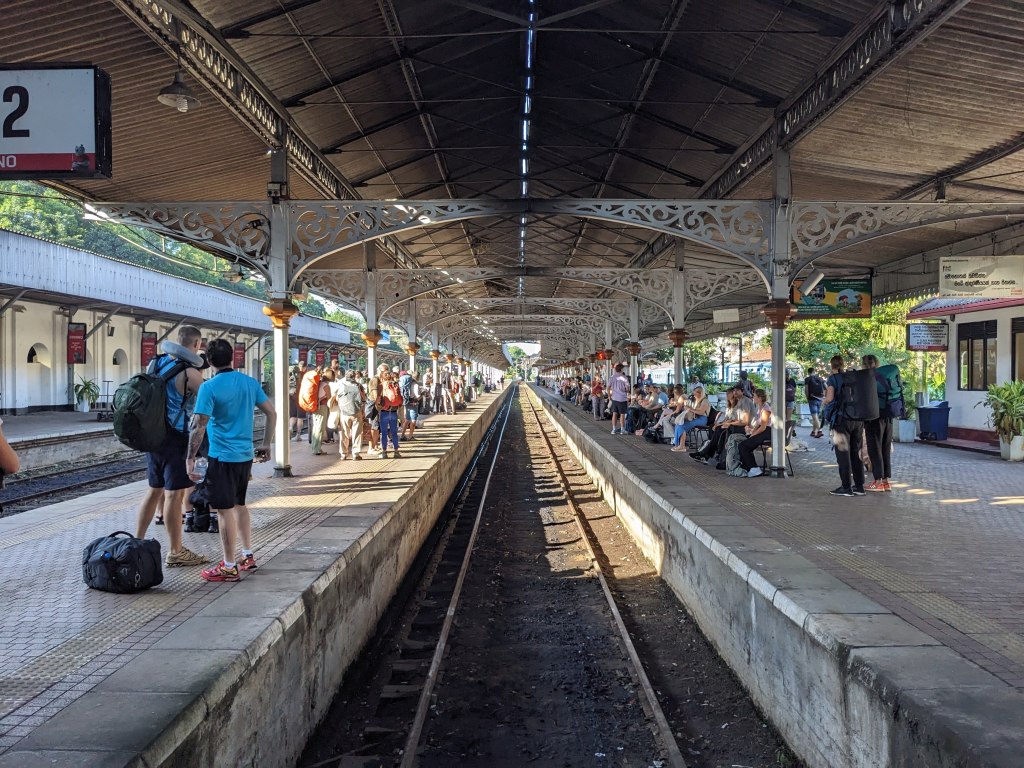
Firstly, the official website for booking trains is https://seatreservation.railway.gov.lk/mtktwebslr/ You can also book tickets on other 3rd party websites, but they’ll be more expensive. Unfortunately, the official website doesn’t show all the trains so you’ll have to check the train schedule on this other website: https://railway.gov.lk/web/ . Tickets can be shown on your phone to the conductor or when you enter the fare gate; however, go early to the station because sometimes they might ask you to print it (this is according to Suds…this didn’t actually happen to us on our journey)
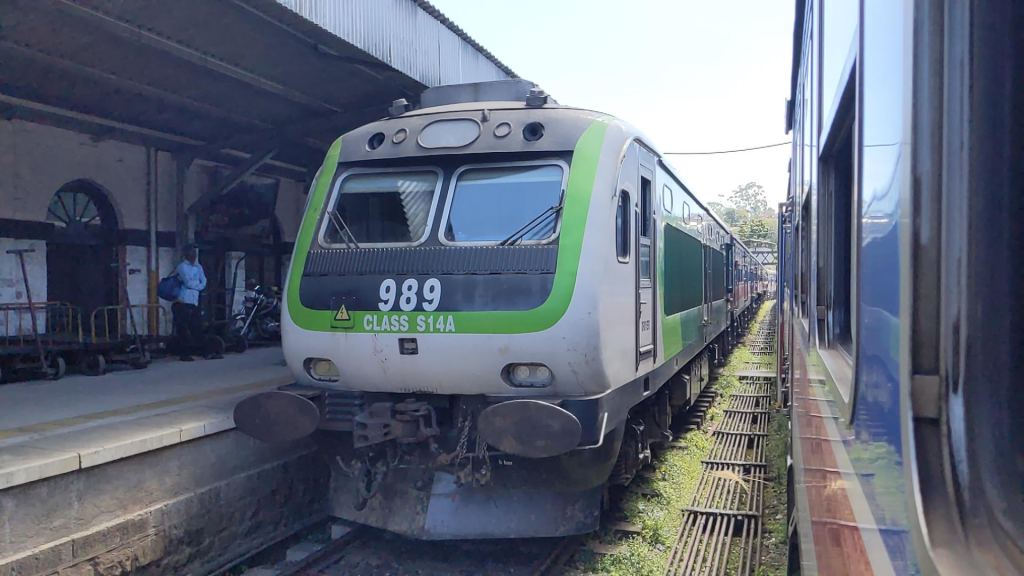
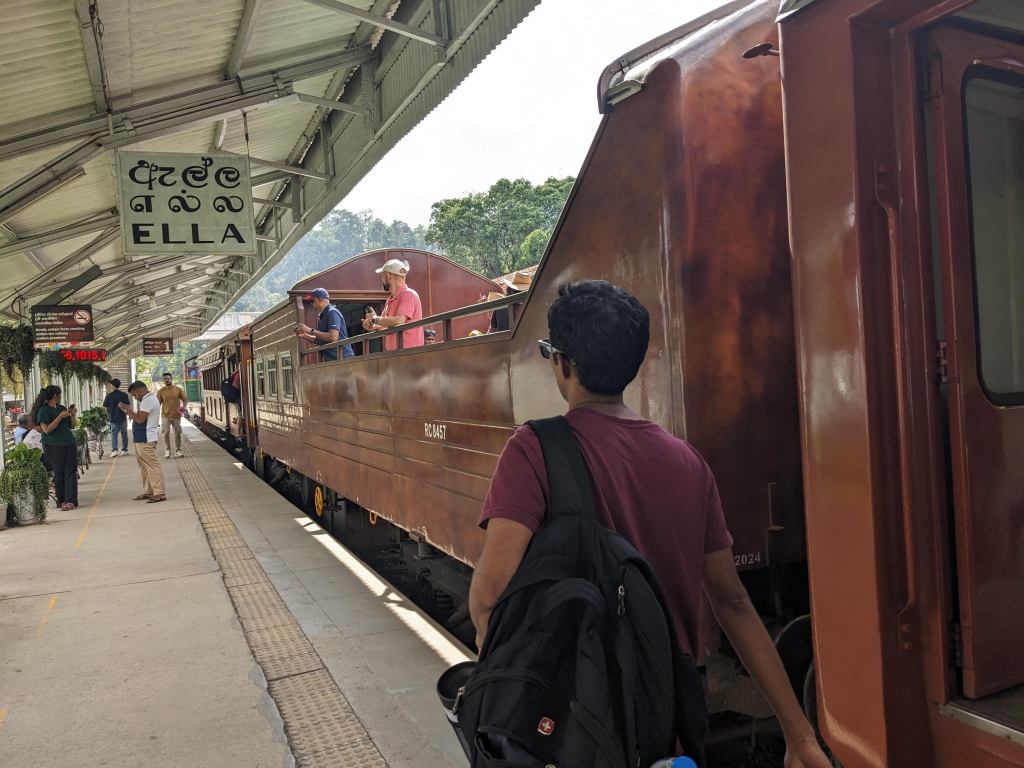
The table below will give you a general overview of which tickets you might want to book. Depending on the journey though, it could be slightly different.
Classes
| Class | Pros | Cons | Price | Comments |
| 1st | Air conditioned cars, comfier seats | Cannot stick head out window/open windows | 2000-5000 rupees depending on journey ($10-25/person) | – all tourists – must reserve in advance online – recommended for coastal trains (i.e. Mirissa/Colombo route) |
| 2nd | – Instagram photos of head outside window/hanging outside train car – fresh air | – Not air conditioned | Reserved seating: 1000-2000- rupees ($5-10) Non-Reserved Seating: 100-200 rupees (50cents) | – depending on train route, some are reserve and some are non-reserve (buy at station) – mostly tourists |
| 3rd | – hang out with the locals – open windows | – might not get a seat if peak or popular train – people might stare at you… | All non-reserved: 50-100 rupees (25-50cents) | – locals – buy tickets at station |
Booking advice
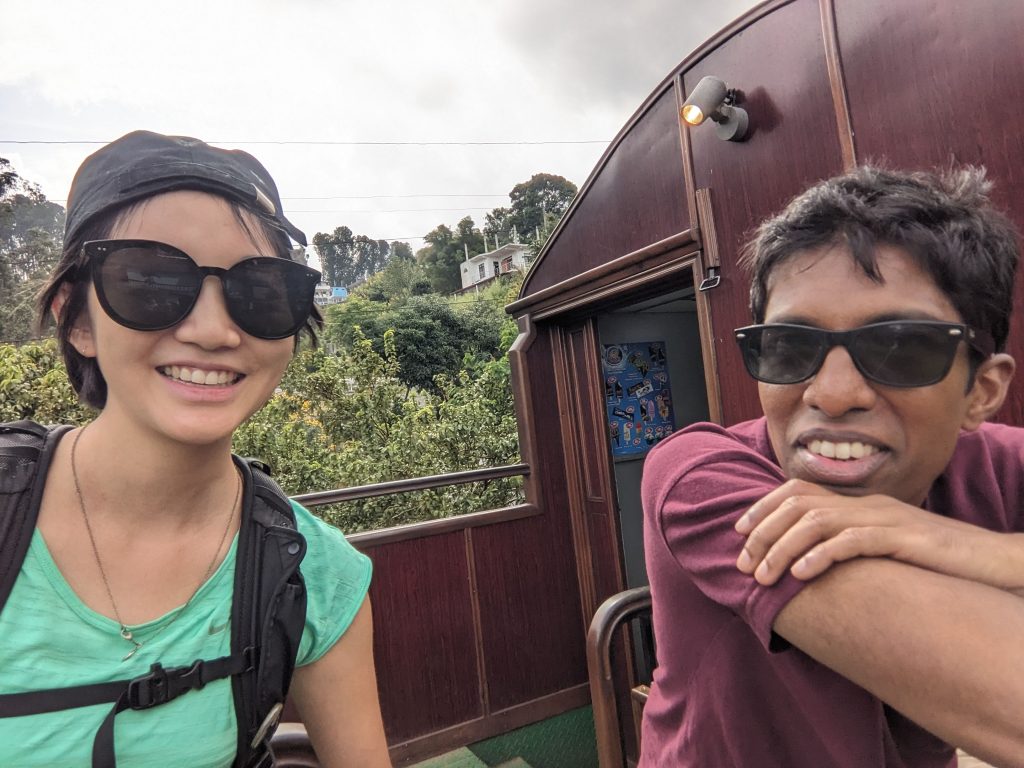
We often rode in 2nd or 3rd class non-reserved except from Mirissa to Colombo (too hot lah!). You can quite literally open the window and stick your head out or do the completely touristy adventure and hang outside the door (sorry for scaring you Mom). If you’re booking the tourist route from Kandy to Ella, you’ll need to book AT LEAST 1-2 weeks in advance; however, you might be able to get tickets on a 3rd party website.
Food
Food on trains is REALLY delicious and fun. There are locals who will come by with homemade samosas filled with fish and potato or sugary milk tea. Cost will be like 100 rupees and it’s to die for. While it’s amazingly tasty, Suds did warn me that if I eat too much street food, I’ll eventually get food poisoning at some point. Luckily that did not happen hahaha. There is also a food car with simple drinks and food.
TukTuks aka “3-Wheelers”:
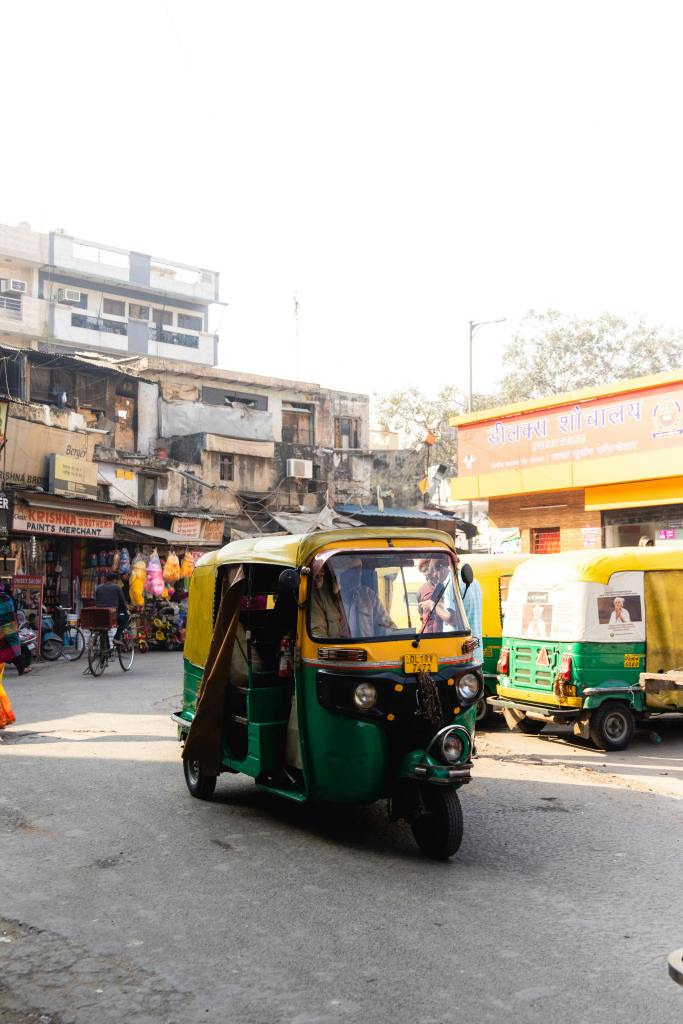
These little metal rides are seen zipping in and out of traffic all around Sri Lanka. They’re driven by locals and you’ll see many people trying to get you to catch a ride. Prices are really reasonable starting at 150 rupees ($0.75) for a quick ride; however, if you catch a local from the street they’ll inflate it to about 3-5x that price.
To catch a tuktuk ride at a local’s price, many of the larger towns use an app called PickMe. It’s almost identical to Uber or Grab, but it requires a Sri Lankan number (SIM card information below) so you’ll have to set up the app when you arrive in the country. Uber does operate in some of the cities, but there are far less drivers and less options of Tuktuks vs. better quality cars. You can also add your credit card so there’s no handling of cash with the driver (though it’s also very safe).
One thing to note is that if you use PickMe or Uber, the driver may ask you to cancel the ride when you enter the car. I was a bit worried when Suds told me this, but he said it’s safe. The drivers just want to avoid paying commission to the company as they don’t make a lot of money. While this is the case, Suds doesn’t recommend doing this for two reasons: you won’t have your GPS being tracked (for safety reasons) and also, that PickMe might block your account if you cancel too many times.
Buses
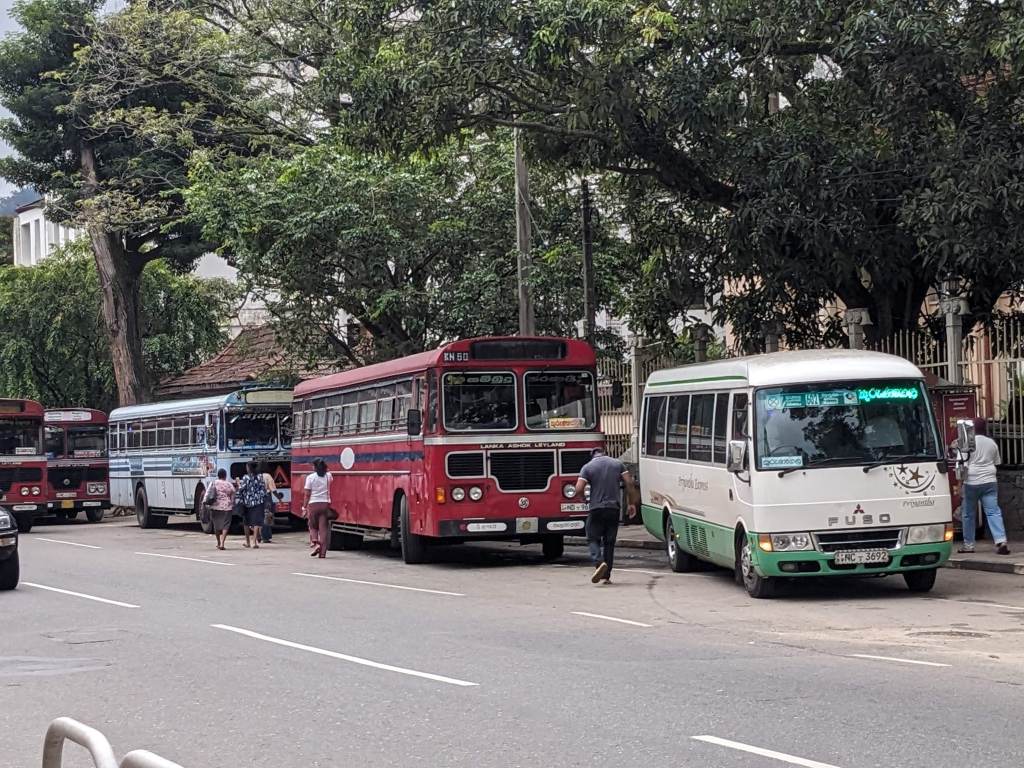
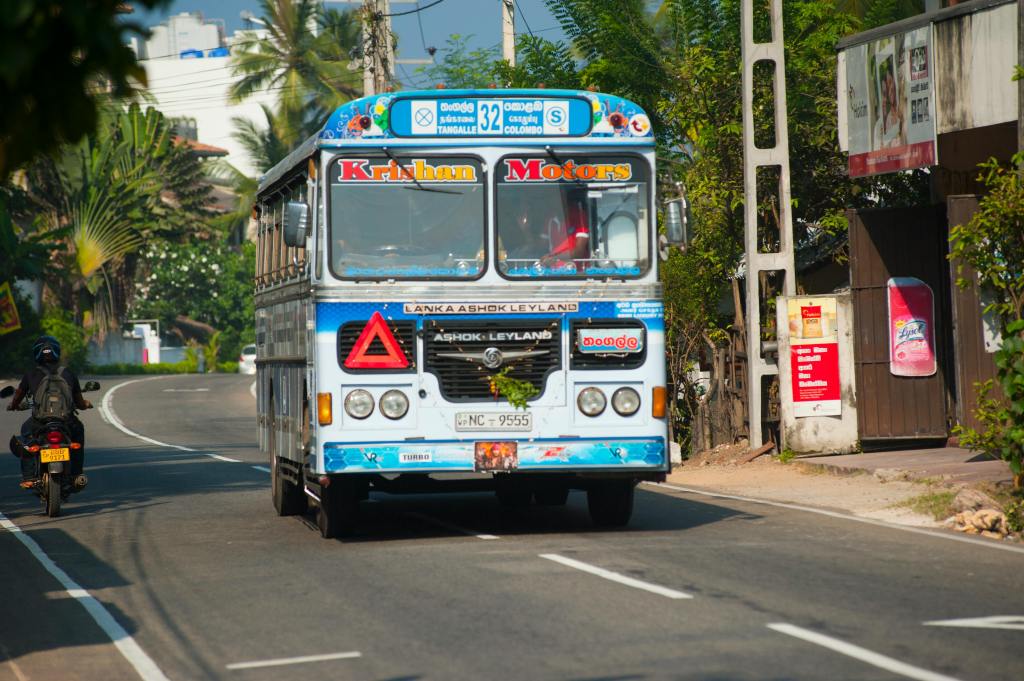
If you want a real local adventure – take the bus. Most of these are actually privately owned and go between towns and cities. Some of them are decked out like a bit of a cheap nightclub inside with banners, streamers and loud music playing. They zip through traffic and only stop briefly for passengers to get on and off (sometimes for local men they only do a rolling stop…). The prices are crazy cheap (e.g. 70 rupees – $0.35 depending on the distance) and it’s good fun. Locals will 100% stare at you and give you a smile when you’re onboard.
To catch the bus, stand at a bus stop – there are no bus schedules. You can also flag it down randomly as it goes by. Ask the driver/conductor or look at the front/sides of the bus to see where it’s going. They’re happy to pick you up and gain the extra fare. Payment is taken on board by a person who weaves in between the sardine-packed customers. Just tell him where you’re going and he’ll tell you the fare. There didn’t seem to be a “local vs. tourist” price either.
To get off, make sure you tell the guy who’s collecting the money. There may be red buttons you can press on the ceiling; however, don’t count on it as they are liable not to work.
Also, not recommended to take them for distances longer than an hour unless you’re super adventurous or getting an air conditioned bus. Seats are very small (if you get one), the buses are often packed and there’s almost no place to put large bags.
Private Cars
If you are staying at a nice hotel, they will often be able to arrange private transport from the airport for you at a fee. This will probably be the easiest way to get to your destination when you first arrive so you’re not having to figure out PickMe.
Motorbikes and Tuktuk Rentals
Suds does not recommend either of these. Motorbikes can be quite unsafe in Sri Lanka. As for TukTuk Rentals, you can go on these adventures, but the TukTuks are not well built and often times will stall of the side of the road or you might need to take it to a mechanic. That said, some other travellers said the locals were really nice in helping them when they got stuck! If you fancy the adventure, there’s a website called tuktukrental.com. We didn’t use them personally, but they’re quite popular over there and they pay for repair costs if you need to get your ride repaired.
Food
Like I said already, food is absolutely amazing in Sri Lanka. Some recommendations for local fare include string hoppers, hoppers, kottu, samosas and wade. Note that food is often much saltier and spicier than you’re used to especially if from a local joint.
Recommendations for Local Fare
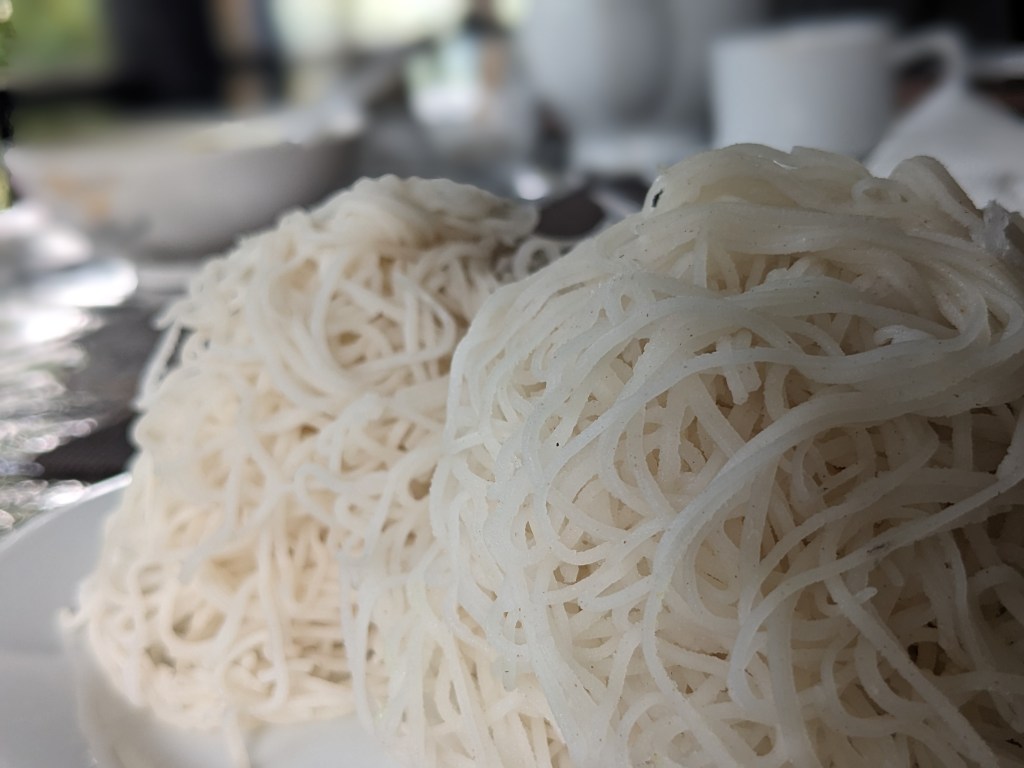
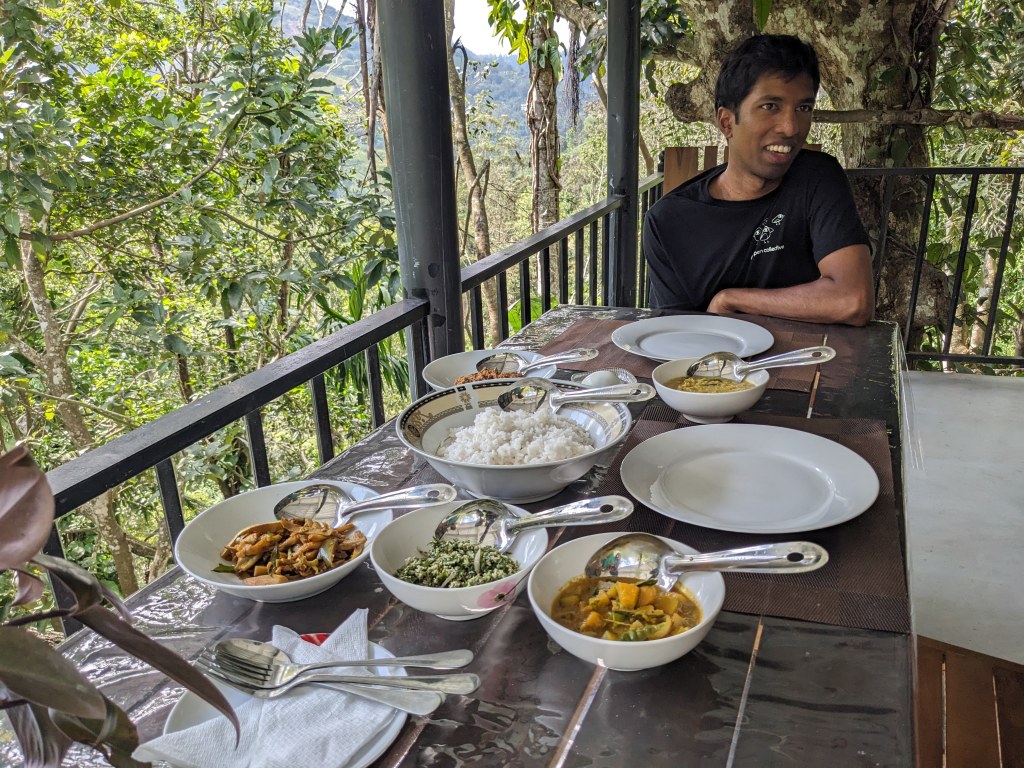
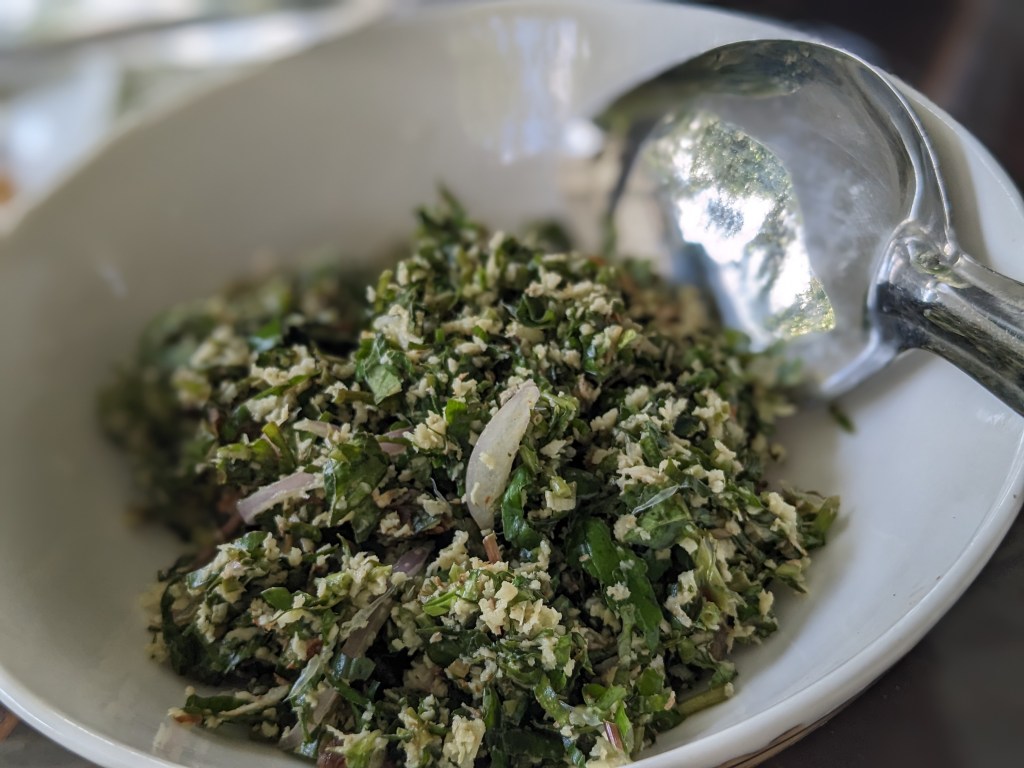
String hoppers are a breakfast item that look like vermicelli, but are made with roasted rice flour. Served with different types of curry, these were 100% one of my favourite foods from my 1.5 year journey. Find this at restaurants or, if you get local accommodations, your host may make it for you. If you go to Ella in Sri Lanka, stay at this place: Pepper Garden Resort Ella. This place is owned by Amali and her husband – both local Sri Lankans. Her cooking was great and she’ll make you excellent traditional food at a fraction of the cost of the tourist joints in town. The Airbnb is also a bit outside of the city (10 minute walk from the centre of town) so is nice and quiet…you might even see the local monkeys!
Pictures from a dinner Amali made us…cost 800 rupees per person.
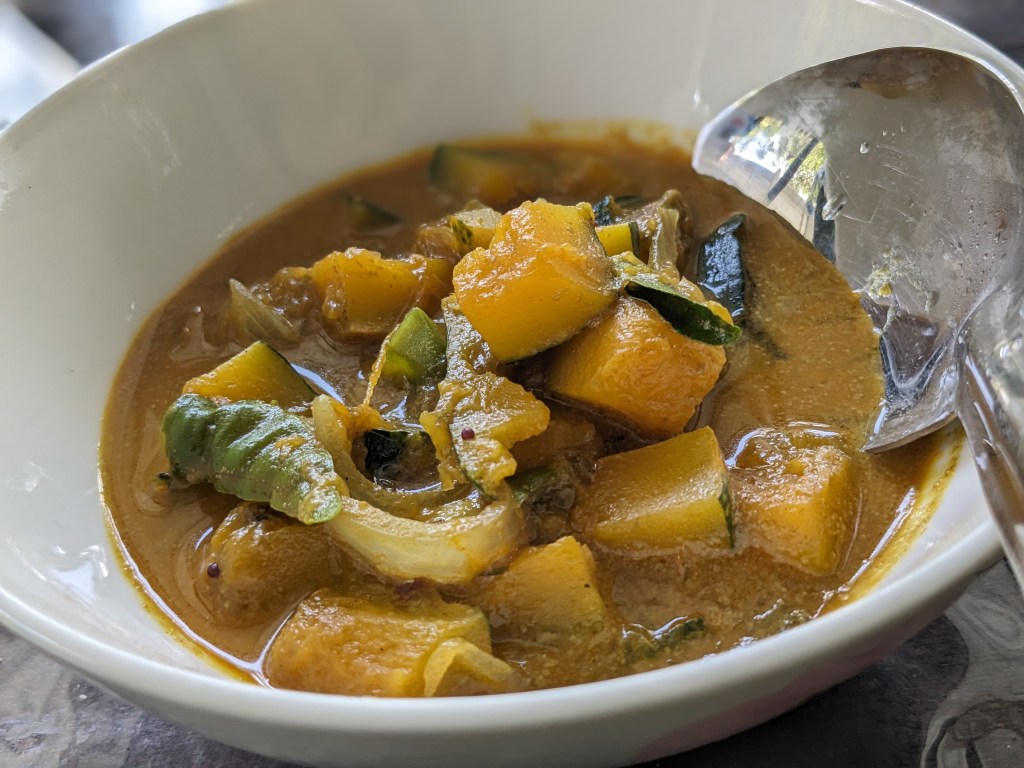
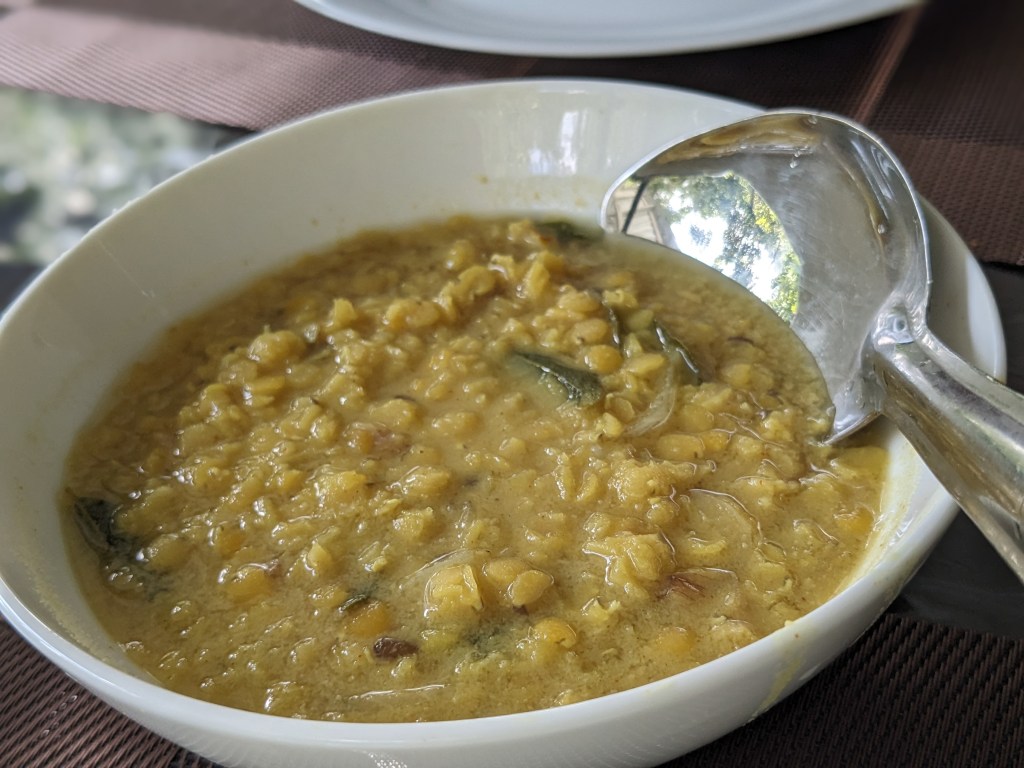
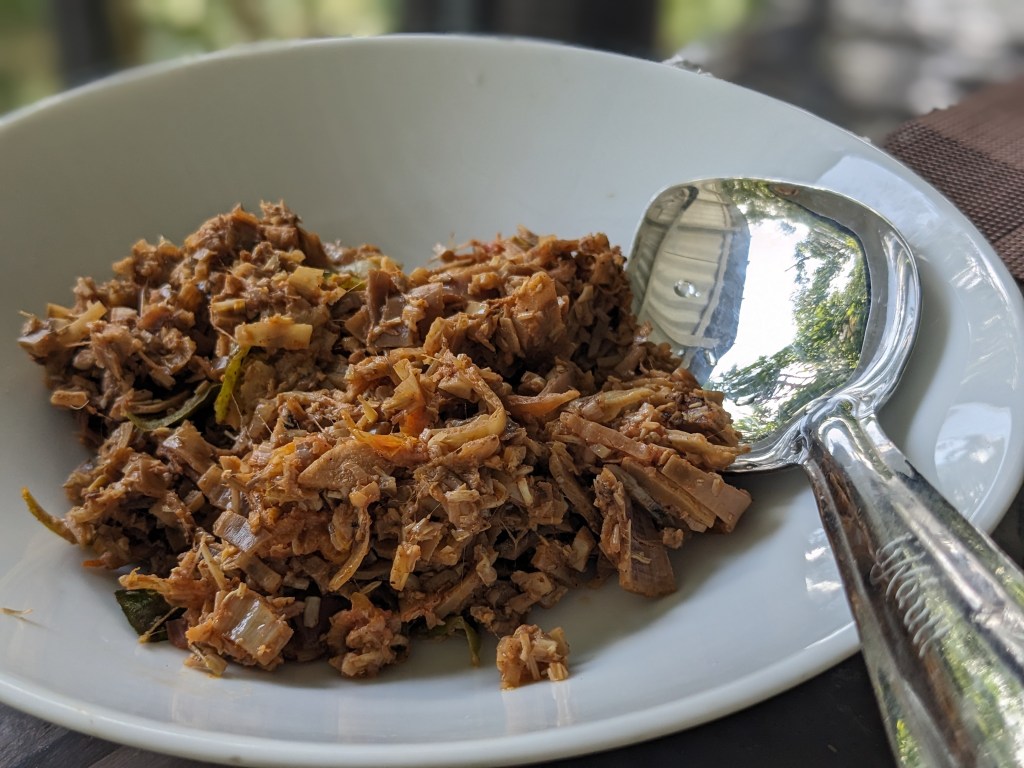
Hoppers are mostly found into the early evening/night. You’ll see them being made on the street by vendors. Sometimes you can get an egg cracked into them. They’re served with a chili sauce and are eaten by hand. They’re one of Suds’ favourite foods. Cost is about 30 rupees per hopper.
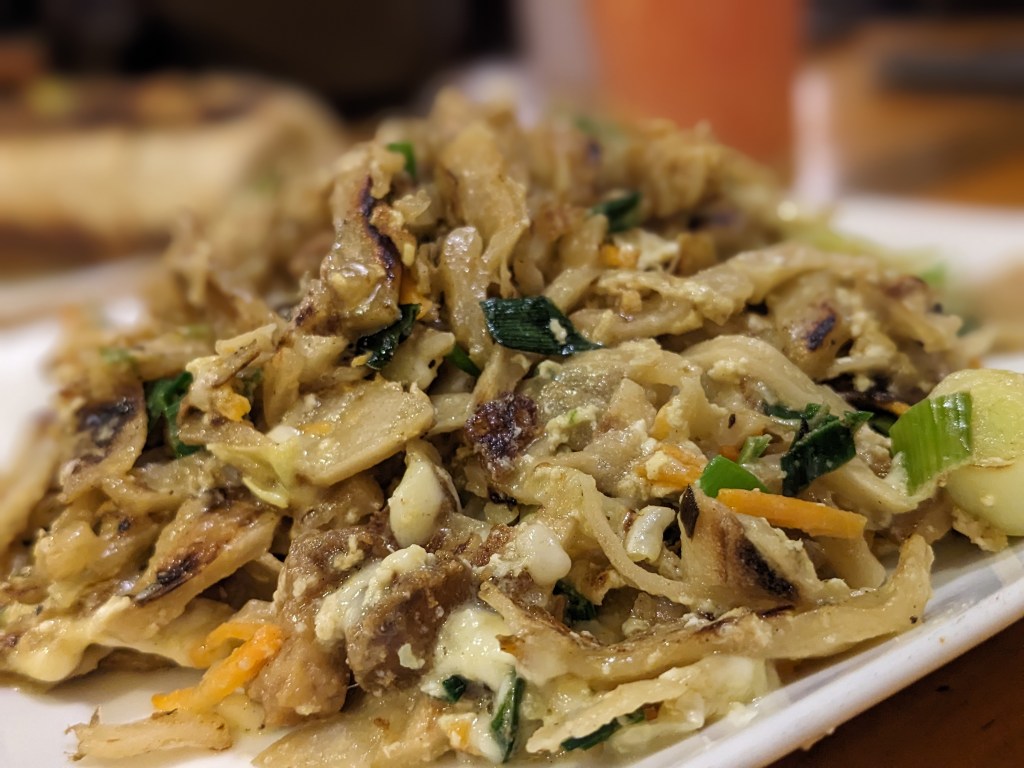
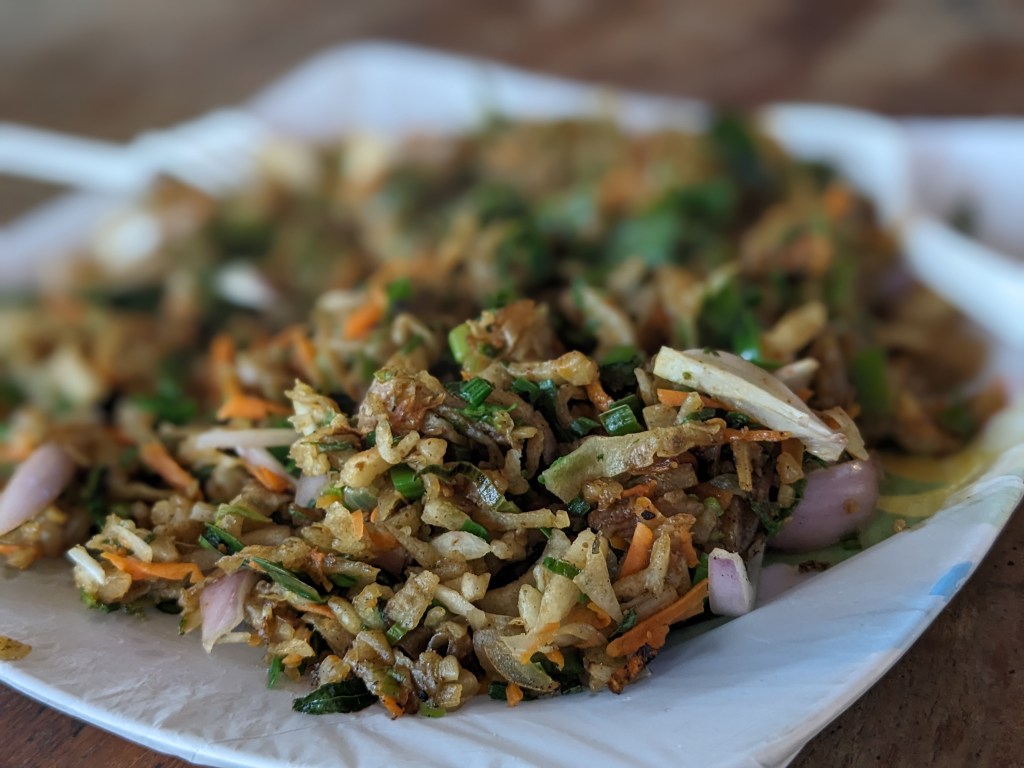
Kottu! Oh how I love thee. Think pieces of roti mixed with vegetables and soaked in curry sauce. I’m drooling just remember this. Found in lots of local restaurants. A local price is around 700 rupees, but expect to pay more in restaurants.
Samosas. Oh how I loved you also. Different from Indian samosas, many of these had a wonderful fried breading and are filled with a mashed and spicy potato and chicken/fish mixture. 100-150 rupees per piece.
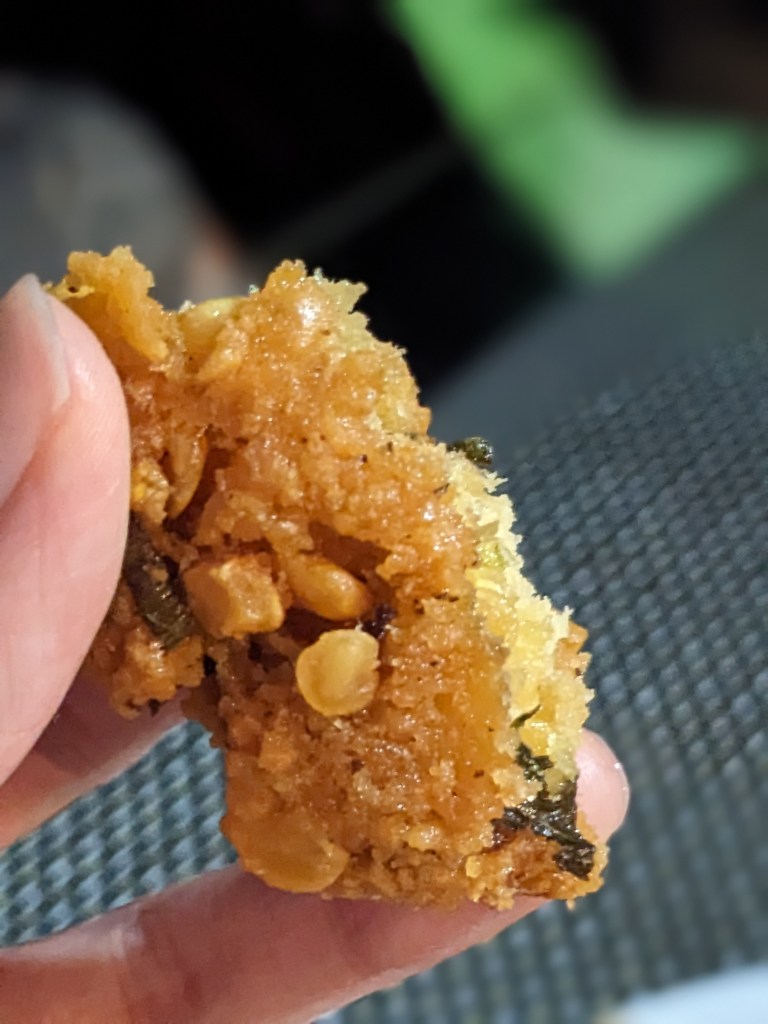
Wade – I almost forgot you…Fried crispy lentil/chickpea balls. At 20 rupees a piece these were amazing. Tasty and crunchy goodness.
Curries – sauce is thinner than the Indian curries I’m used to. Eat with rice.
Grocery Stores:
Local supermarkets: Kheels, Cargills/Foodcity, Arpico Supercenter and Sathosa. These will typically have better fruits than the fruit stands – especially for mangoes. Kurchomp! Also, they’re a good place to buy stuff like coconut oil rather than a tourist spot which will charge you 5x the price.
Fruit stands:
Oh gosh…get yourself a delicious king coconut. They’re yellow and have an amazing flavour. Bonus if you can find one that’s cold. Cost is 100 rupees for locals, but expect to pay 2-3x that amount especially in a tourist town.
Restaurants:
Unfortunately Google reviews might not be the most accurate. Many restaurants ask tourist for 5 stars so tourist places are everywhere in tourist towns. Expect to pay close to home prices at $15-20 for a meal. Better yet, find the local places by walking through town and seeing where the local frequent. Better food and better prices. In Ella, we liked two restaurants: Nanda and Fish and Chips. Nanda is good for casual fare and quick bites whereas Fish and Chips is a restaurant on the main road. Don’t get the fish and chips at the Fish and Chips shop though…instead, go for the amazing lamprais and phenomenal kottu.
Tipping
I don’t love tipping culture, but Suds tells me that Sri Lankans don’t make a lot of money especially those who make street food, provide driving services or work in restaurants. They greatly appreciate tips and tips can be given directly to the individual. If you’re in a restaurant and leave it in the receipt book/table, they might not share it with others…just a heads up.
Tea + Tea as Souvenirs
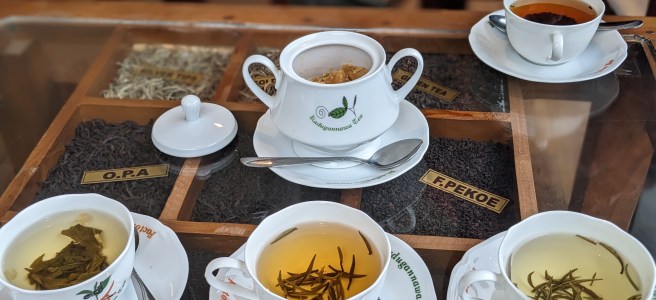
If you’re a tea lover, you’ll probably end up in Nuwara Eliya or Ella. High tea is hilariously Sri Lankan with ketchup given. Don’t expect scones or clotted cream either. I’d rather skip it…
As for regular tea, tea is commonly already served with sugar at local places so ask to have it without if you don’t like it sweet.
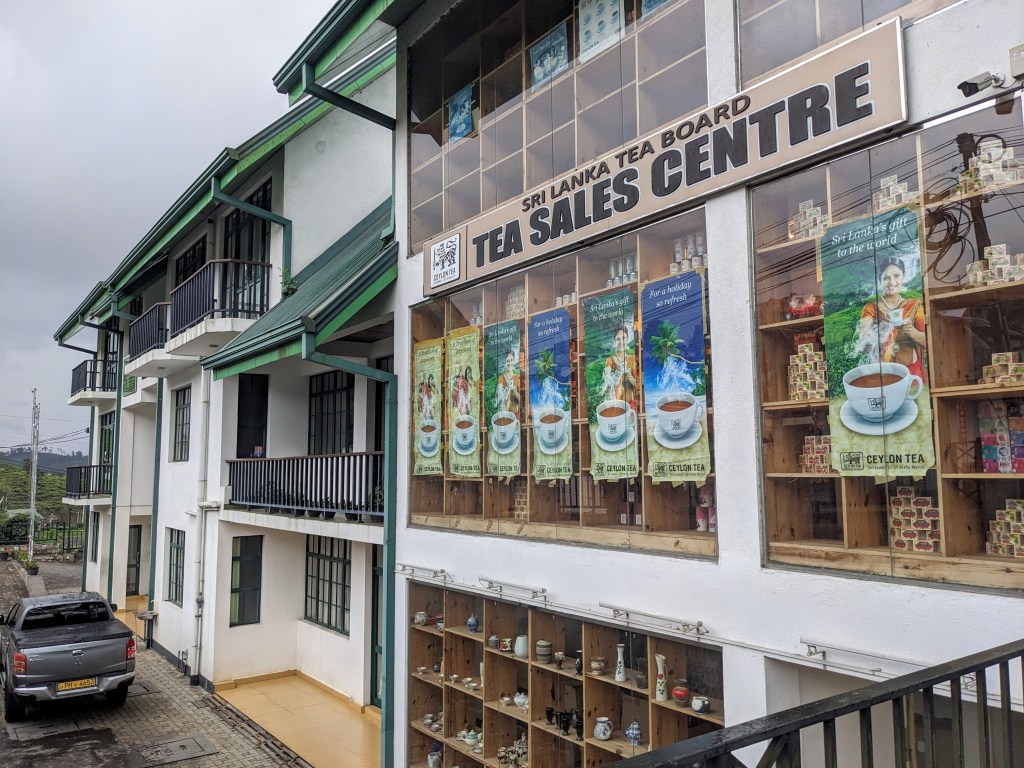
The Sri Lanka Tea Board has locations in Colombo, Nuwara Eliya and Mirissa and it’s government regulated for both price and quality. Best place to buy tea souvenirs. Colombo has the widest selection and Nuwara Eliya has a beautiful view for FREE tea tasting.
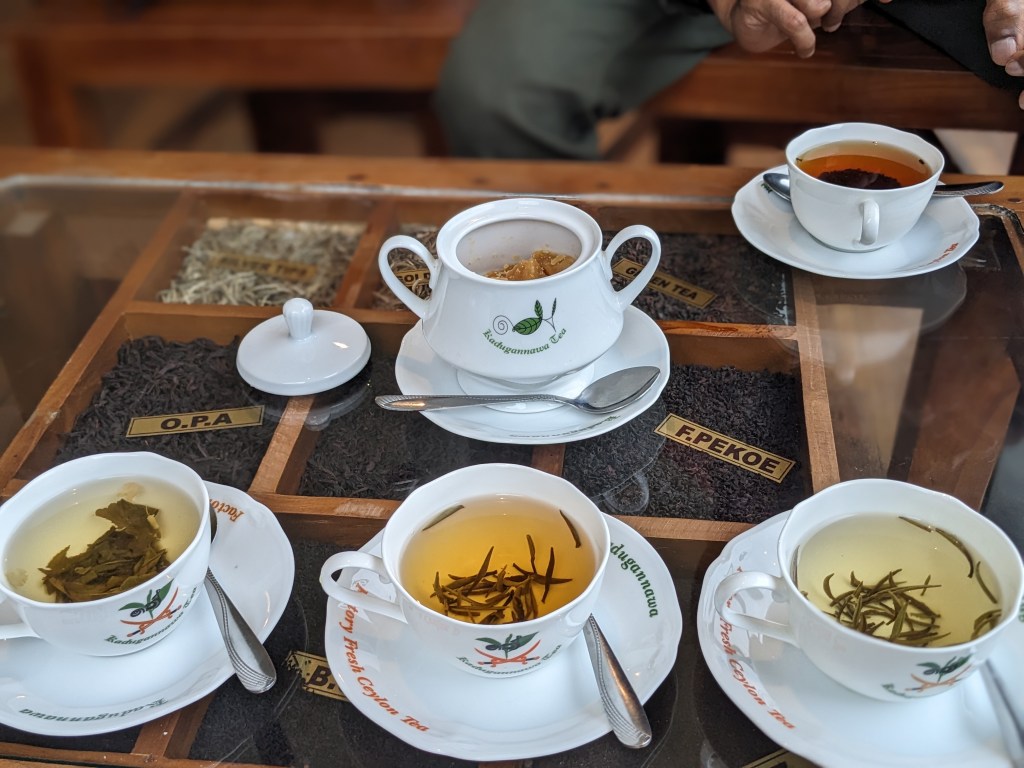
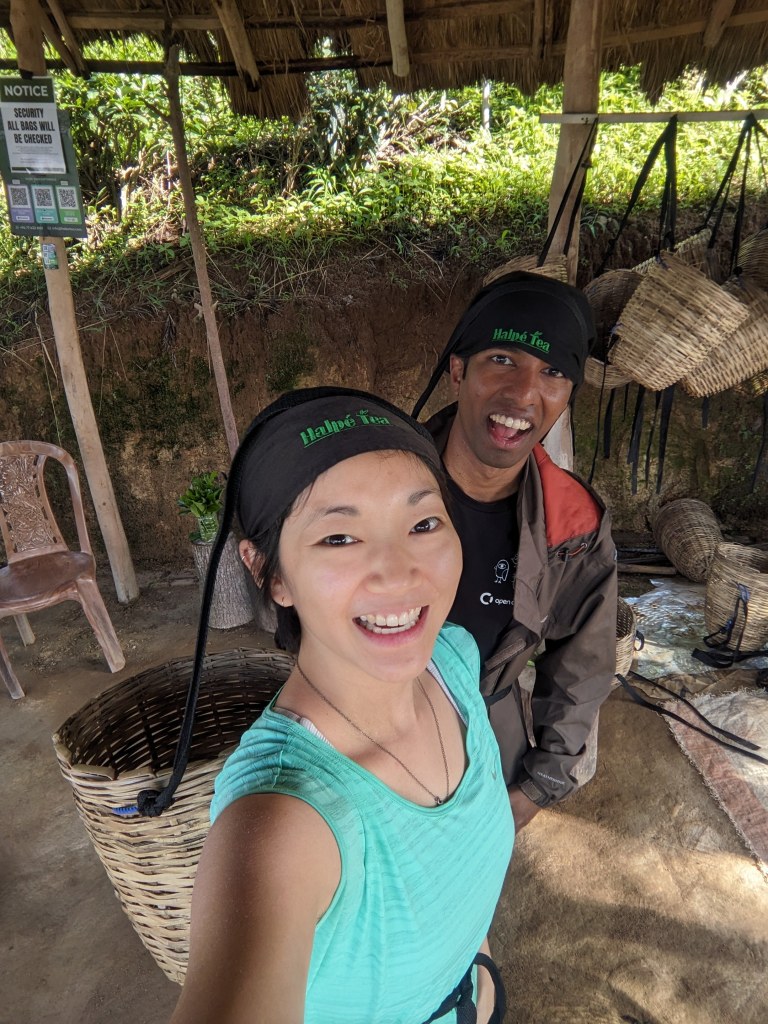
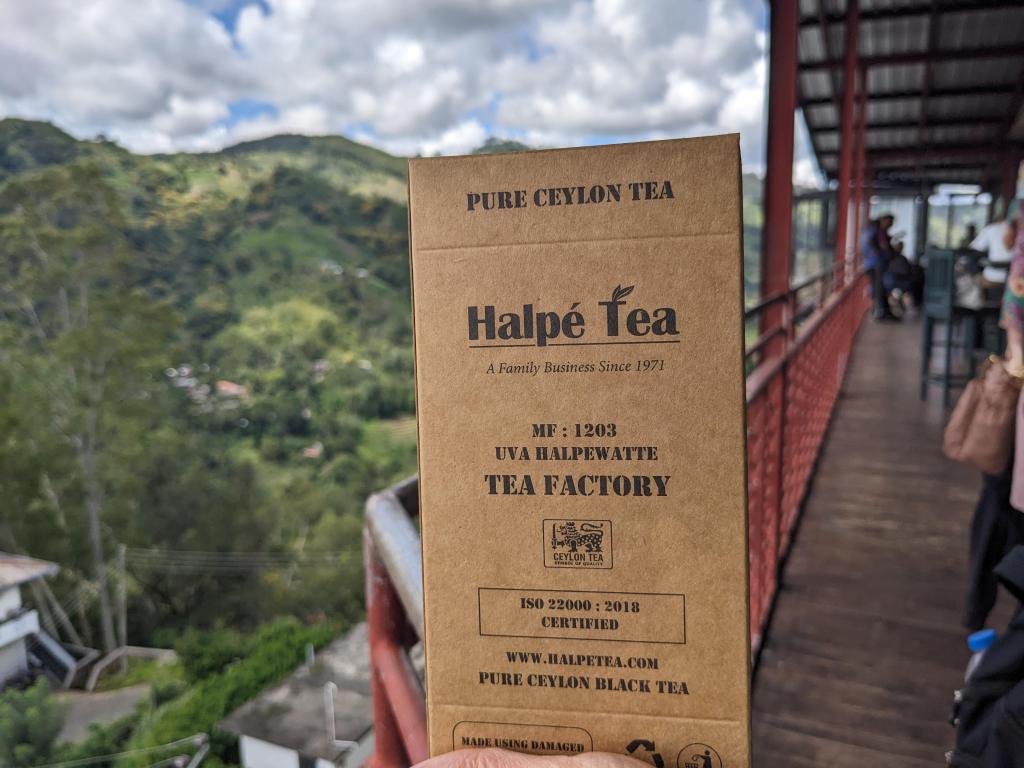
As for tea factory tours, we did do a really good quality one in Ella at Halpe. It was on the pricier side ($30USD), but the quality was great with an English speaking tour guide who went to school for tourism. We got to pick tea leaves, make it into tea and try it/bring it home with us later. Great place to hang out afterward and enjoy the view.
WIFI/SIM Cards and Money
WIFI is almost non-existent and if you do get it, expect that it’ll be as slow as mud (1mgb/sec). I have not experienced slower and more frustrating WIFI on my journey (much to Suds amusement…-_-). Don’t rely on free WIFI especially if you need it for work.
You can get a cheap SIM card at the airport from one of the three major companies: SLTMobitel, Dialog or Airtel. Suds says you won’t be overcharged for buying it at the airport. I used an eSIM also with no problem; however if you need fast internet, get a good quality package from one of the three above.
For money, you’ll mostly be using cash. ATMs for the major banks (People’s Bank, Bank of Ceylon, Commercial Bank, HSBC, HNB and NSB) are easily found throughout the city. Credit cards are only used in large restaurants/accommodations with tourist towns.
Safety
A Quick Bit on Safety:
When I first thought of India and Sri Lanka as possible destinations, I will admit I was quite nervous. Was it safe? Am I going to get mugged? Definitely some Western viewpoints and fears had gotten the best of me. What I’m going to say though is that I felt very safe in Sri Lanka…even when I was walking alone without Suds. I wasn’t approached for anything except people wanting to have me go into their restaurants or asking if I needed a taxi/tuktuk ride. Sometimes people would beg for spare change, but it was never aggressive. This was during the day/early evening though. Suds did mention to be more careful at night especially when out of a tourist district and where people can be tipsy. Overall though, the only discomfort was not being as wonderfully anonymous as I like…they don’t see many Asians so sometimes people would straight up stare, but a quick smile and they’d give you a big shy smile. Especially the children…adorable.
Language:
Unless in tourism, many people will speak limited English. Best to download a English/Singhalese translator if going outside the main tourist towns. No recommendations for you there…Suds was my translator. ^^
Insects: Expect mosquitoes, but luckily not of the malaria carrying type. Can pick up some citronella oil at the local store. Another frequent friend will be ants. Unfortunately, no matter how clean a place will be, these little critters may still end up in your bed. Also…clean your water bottle regularly even if you only have water inside. You MAY end up with an ants nest inside when you least expect it. BLECK!
Water:
Boiling water is fine and tastes okay. Bottled water is also inexpensive.
Street Safety:
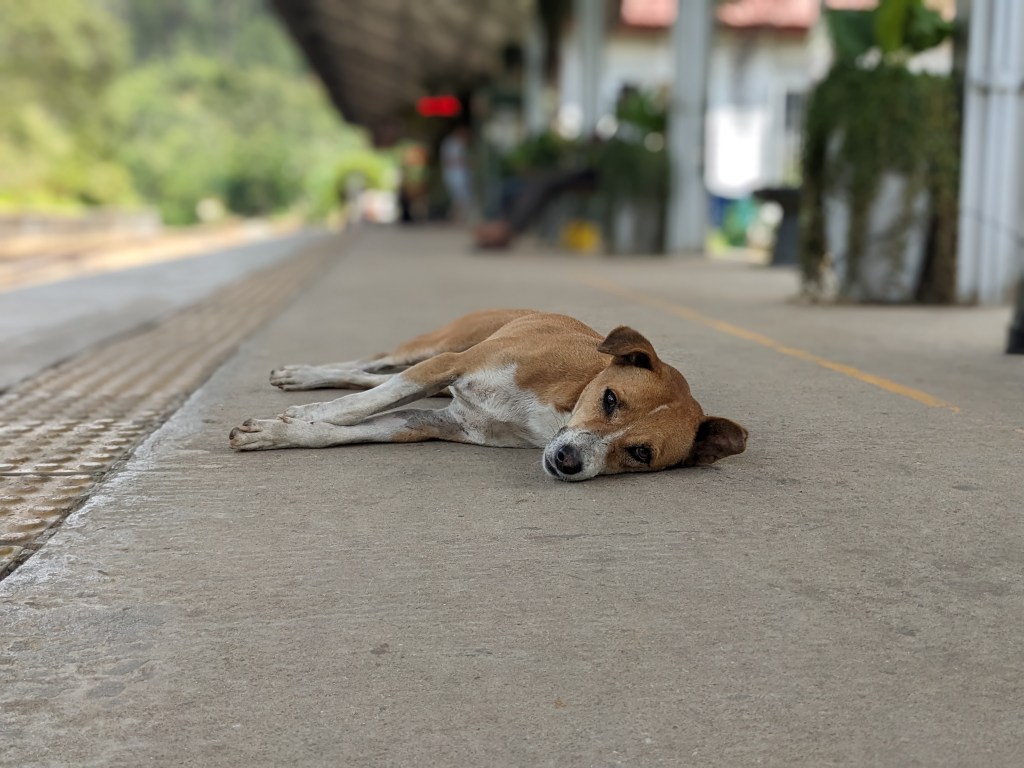
Animals: The street dogs are incredibly cute, but they are not as kind and domesticated as we’re used to. Pet at your own risk and, if you get bitten, make sure to get a rabies shot.


Right of way: You are last…first is buses, large cars, small cars, tuktuks, motorcycles and then you. Look both ways and don’t expect people to stop for you.
Medical:
If you need medical attention, Suds recommends Asiri. They’re a private company and located in every large city and will come much faster than your local ambulance. If you need to book an appointment, don’t use the Asiri website, instead use the eChannelling App and choose Asiri hospital as the place. Emergency number for public assistance is 119 (police), 110 for an ambulance.
Random Extra Stuff (but good and fun).
The Post Office is reliable and super inexpensive. You can find great locally made postcards and an international postage is 70 rupees (35 cents…). They might even give you a tracking number (might not work) and possibly a free envelope!
If you visit any temples, remove your shoes and hat before entering. Wear modest clothing – clothing past the knees and shoulders (no shorts, short skirts or tank tops) and nothing hugging the skin like leggings.
If you’re interested in books on Buddhism, make sure to check out the Buddhist Publication Society in Kandy near Kandy Lake. You can get books for as low as 200 rupees ($1). For my vipassana nerd friends, you can also buy a small selection of Vipassana Research Institute books here. …I purchased 7 books and it costs me a whopping total of 3400 rupees (~$15).
Final Thoughts:
Well that’s a wrap folks! If this was helpful, great! Share it with your friends and enjoy the beauties of Sri Lanka ^^.
~Tracy
 World of Wandering Minds